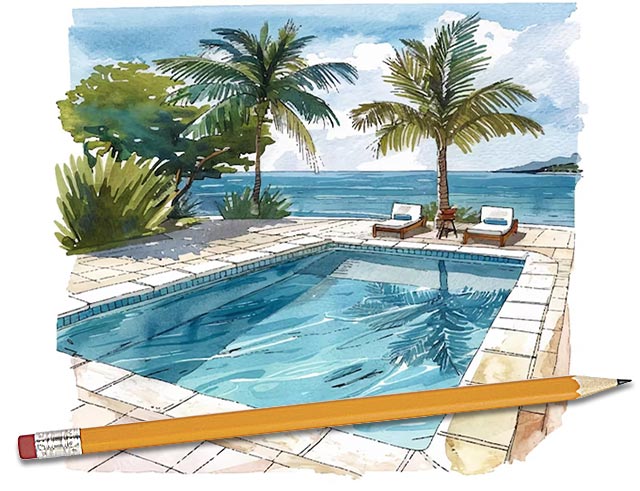
Design & Preparation
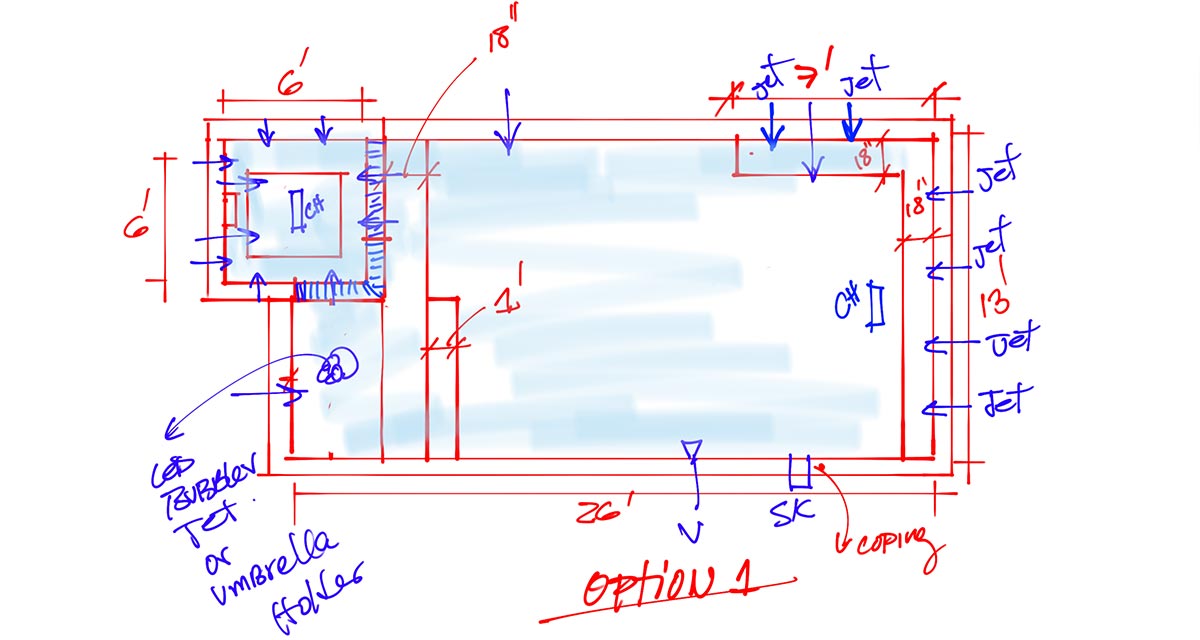
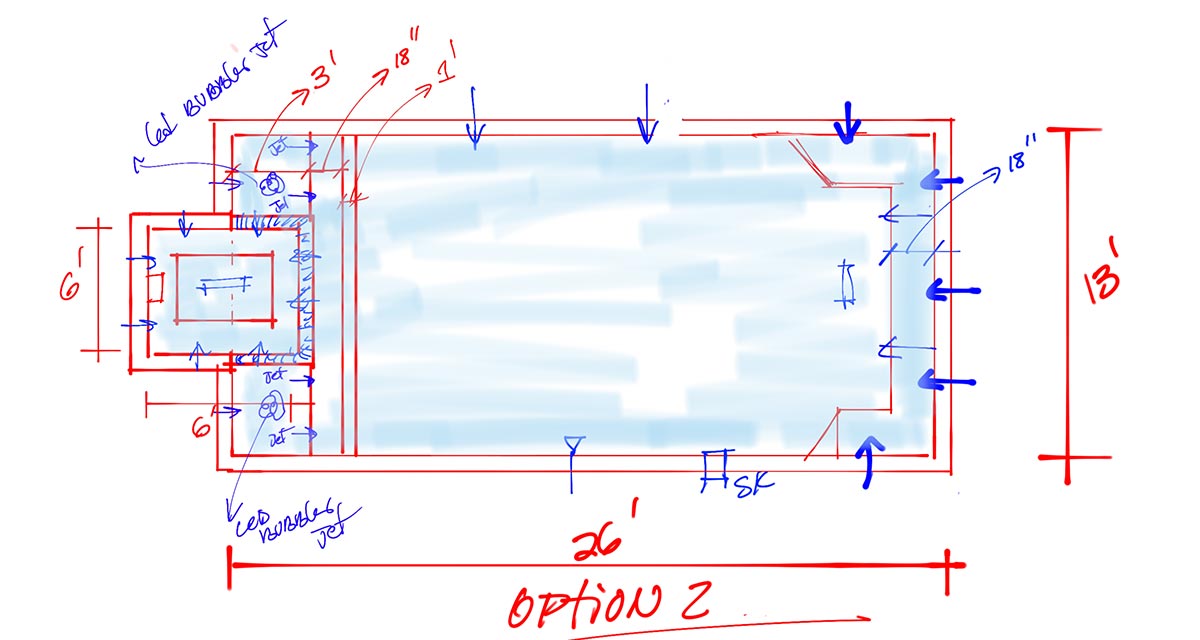
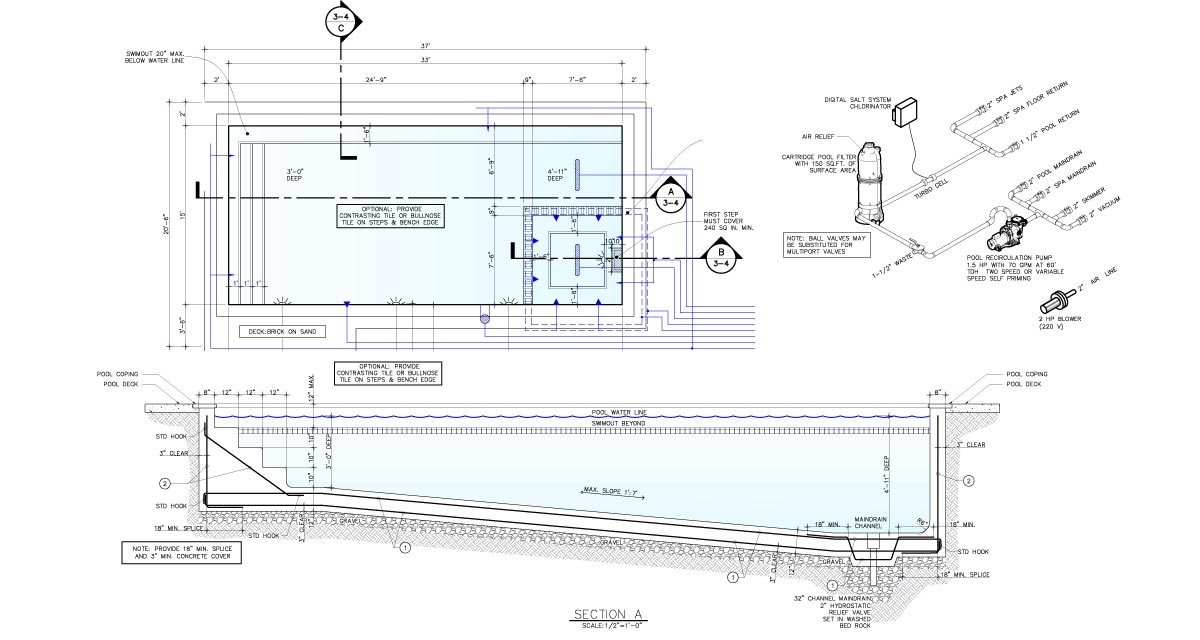
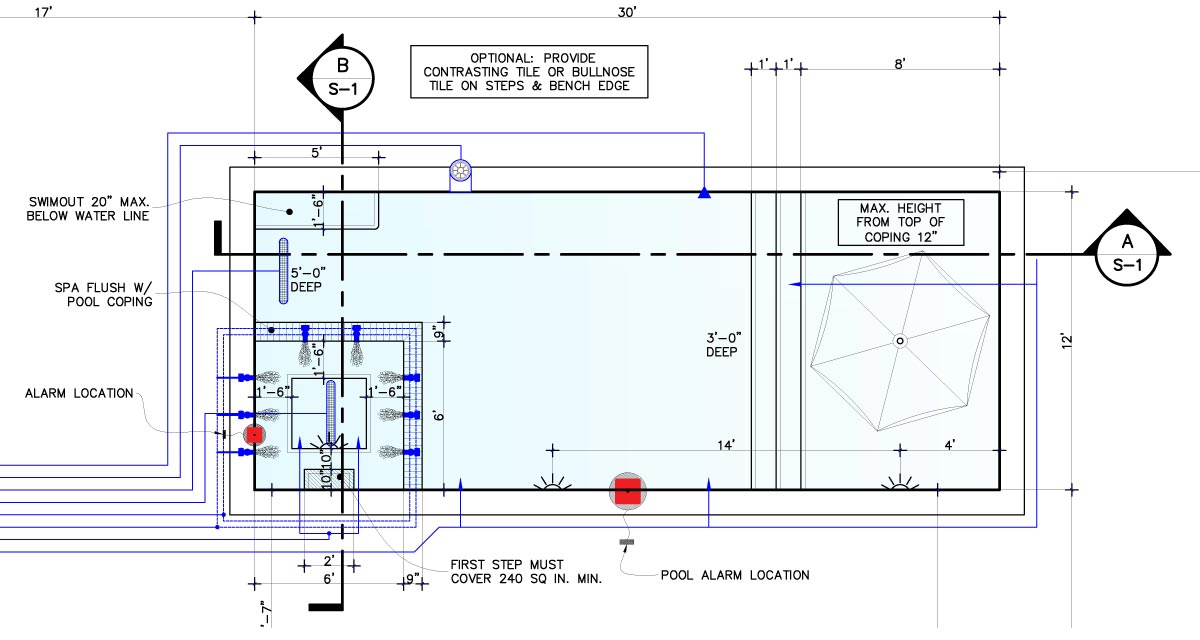
The Abascal Pools team will walk you through the building process and answer your questions about owning a swimming pool. If you already have architectural plans, we can quickly get to work on estimating and material selection. If you do not have a construction plan, we can help put your ideas on paper as we work together to design a poolscape that meets your needs. This is often a multi-step process, with numerous design refinements based on client feedback.
Excavation & Framing
Upon completion of your design, we will stake out the project and begin the process of excavating the pool site and preparing the land for construction. Once the hole has been dug, we will use wood and steel rebar to help with the formation of the pool walls and pool bottom. The steel serves as a skeleton that will help reinforce the formed concrete. Gunite pools are designed to last for many decades.
Plumbing & Electrical
Once the steel wireframe is in place, our licensed plumbers and electricians will lay the PVC pipe, electrical conduit and wiring, as well as prepare the main drain and skimmer boxes. We recommend the most efficient equipment on the market, which will keep your pool clean and help reduce operating costs.
Gunite & Equipment
Gunite is a special blend of concrete that is sprayed under high pressure to bind tightly around the steel. It is built up in layers and will slowly reveal the final shape of the pool. Plaster manufacturers recommend a minimum 4 week curing time before plaster is applied to new gunite. As the gunite cures, Abascal Pools will continue to work on installing the filtration system, tile, etc.
Pool Coping
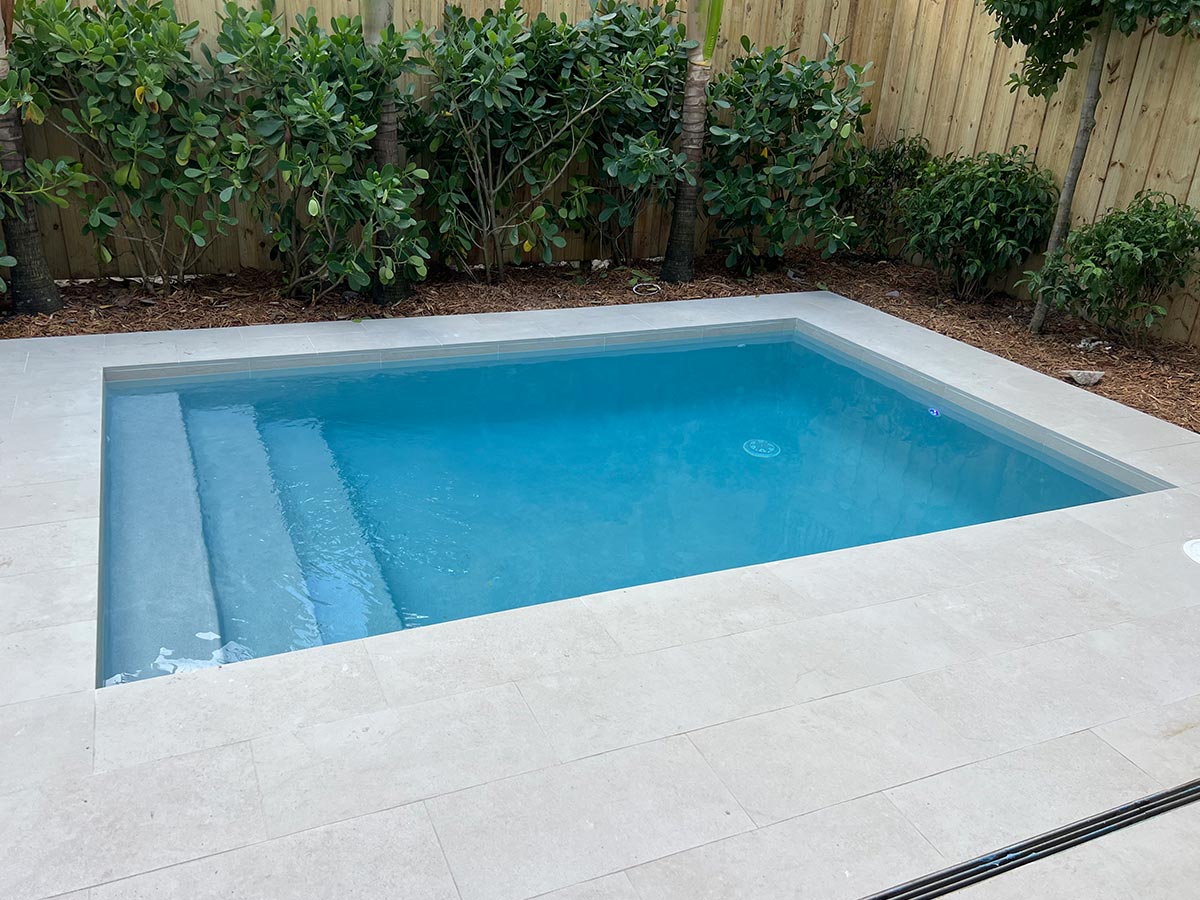
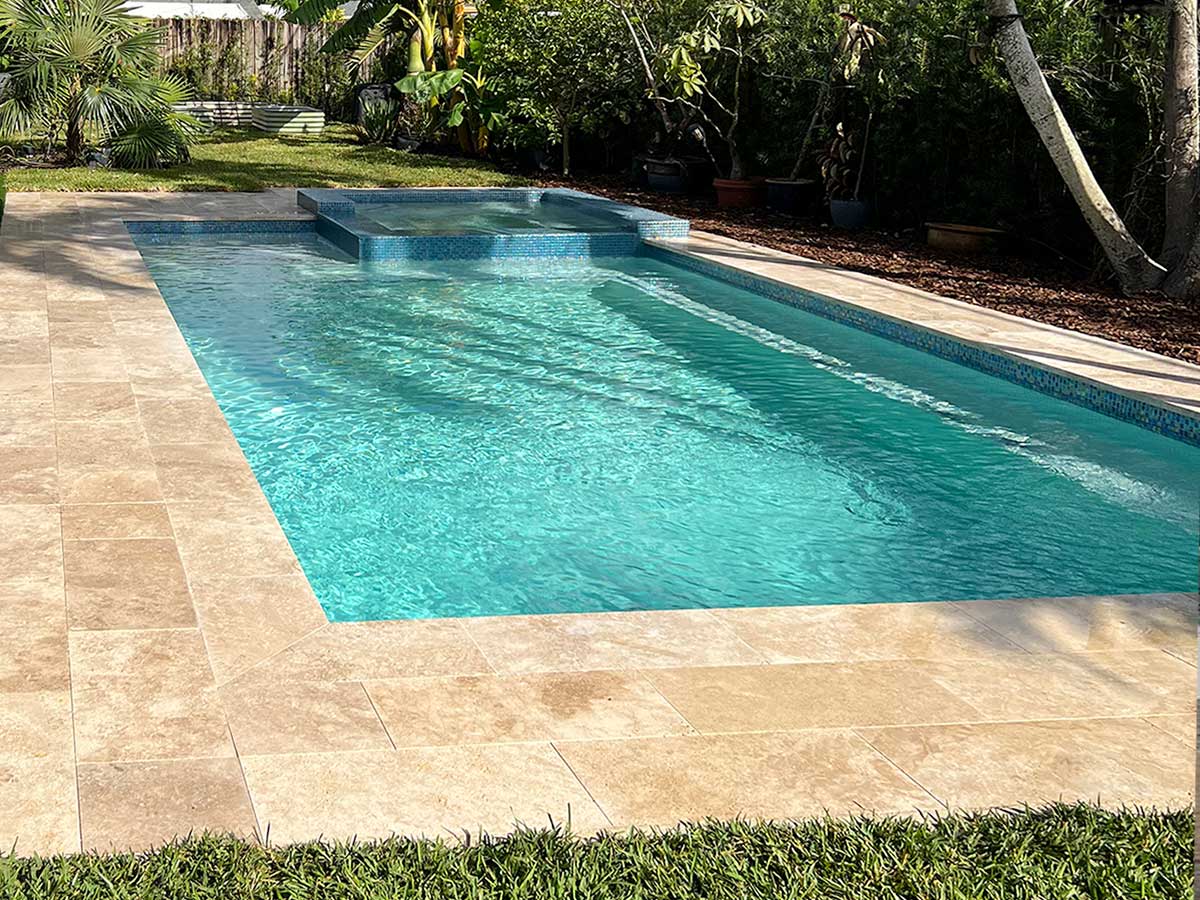
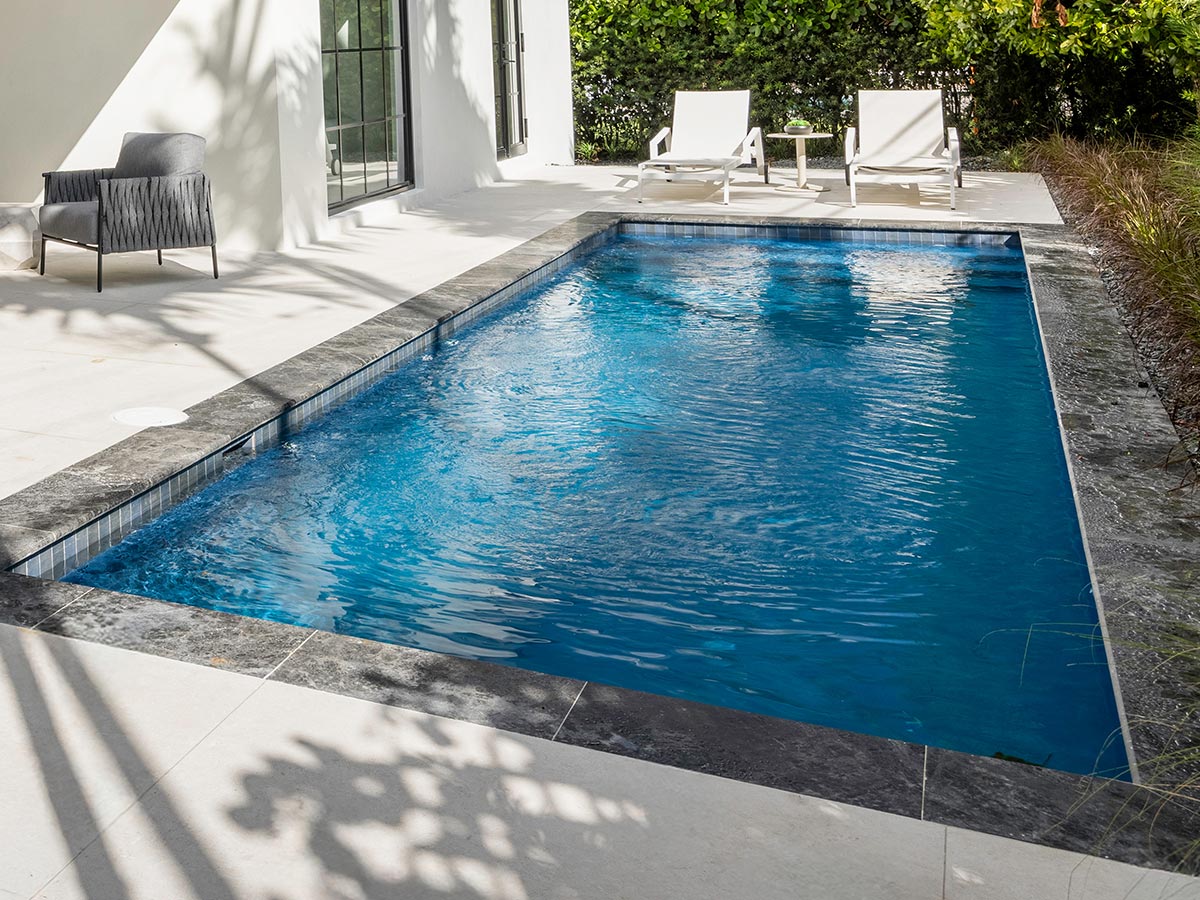
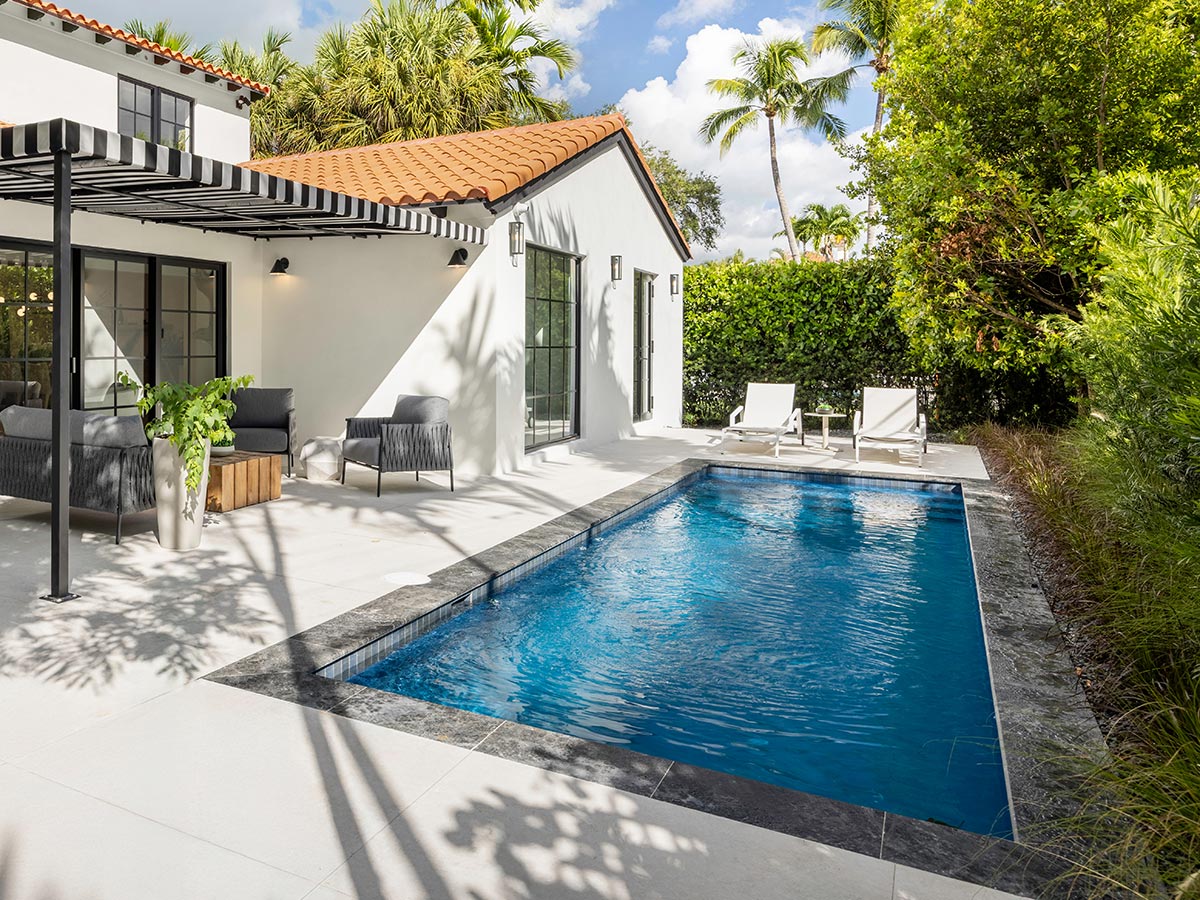
Pool coping is the top edge around the pool that is walked on. It's often made with concrete pavers or sawn stone, but some designs call for concrete, brick, flagstone, travertine, or other exotic pool coping materials. You have lots of options as far as coping materials and we are there to help guide you on the best decision for your project.
Deck & Plaster
After the coping has been laid, it's time to complete the pool deck surface and plaster the inside of the pool. Our pool experts will decide which should come first depending on material availability as well as your deck material. Plastering a pool is one of the last steps, and it's best to start filling the pool with water upon completion of the plaster setting. At this time, the finish must cure.
Start-up & Chemicals
Most manufacturers recommend letting the pool plaster finish curing for 30 days before adding salt, so Abascal Pools recommends a traditional chlorine start-up for the first month of service. We'll balance the pool water for you, add all appropriate chemicals, and also brush the surfaces according to the manufacturer's recommendations. If you've installed a saltwater system, we'll switch over when the time is right.